
The risk of dying in a house fire is 55% lower in homes with fire alarm systems than in those without. However, it’s no good having a fire alarm system installed if you don’t check it is working correctly and that it can accurately alert in case of a fire.
Not sure how to test a smoke alarm?
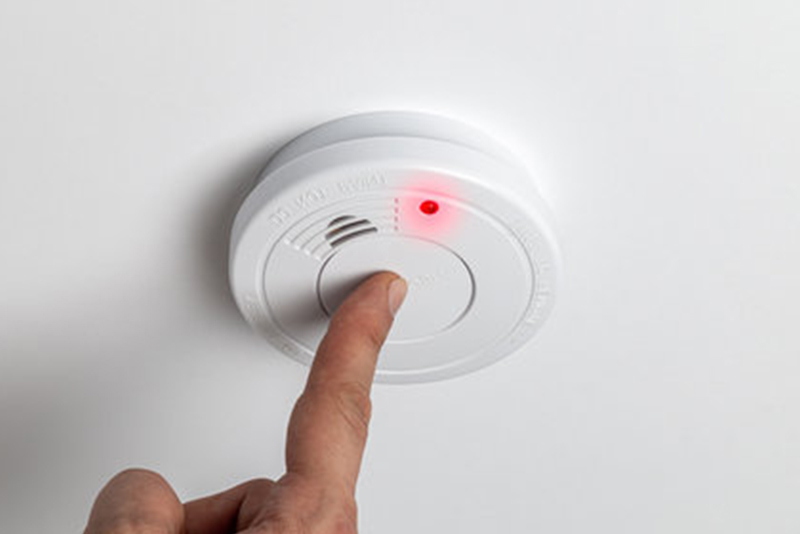
All fire alarms come with a test button whether they are battery-operated or a wired system. When you press and hold this button, the smoke alarm siren should sound. However, before testing the alarm ensure everyone in the house is aware of the testing!
If the alarm does not sound when test button is pressed, first replace the batteries, and test it again. If this does not fix the problem or you have a wired system, you’ll need to replace your alarm.
How often to test your fire alarm?
Every smoke detector in your home should be tested on a monthly basis. To help you remember when to check your alarm, add it to one of your normal monthly routines. Once a year, you should replace the batteries even if they were working when you last tested the system.
When should you replace a smoke alarm?
Proper fire alarm maintenance includes not only checking that your system is in working order but also replacing it as and when recommended. However, with battery-operated alarms, it is just a simple change of batteries rather than the whole system. Smoke alarms are manufactured to work for 10 years at a time, this date will be on the alarm somewhere and it is good to be aware of when it runs out. If your alarm system isn’t working and it is sooner than 10 years, this is also an obvious time to replace it.
The Firechief range includes high-performance fire extinguishers, fire blankets, first aid kits, lithium-ion fire extinguishers for your home and leisure time. For more information, call us on +44 (0)330 999 0019 or email sales@firechiefglobal.com.
The information contained within this blog is provided solely for general informational and educational purposes and is not intended as a substitute for professional advice. Before taking any actions based upon this information, we advise the reader to consult any and all relevant statutory or regulatory guidance and where felt necessary to consult a qualified fire or industry regulation professional. The use or reliance on any information contained herein is solely at the reader’s risk.